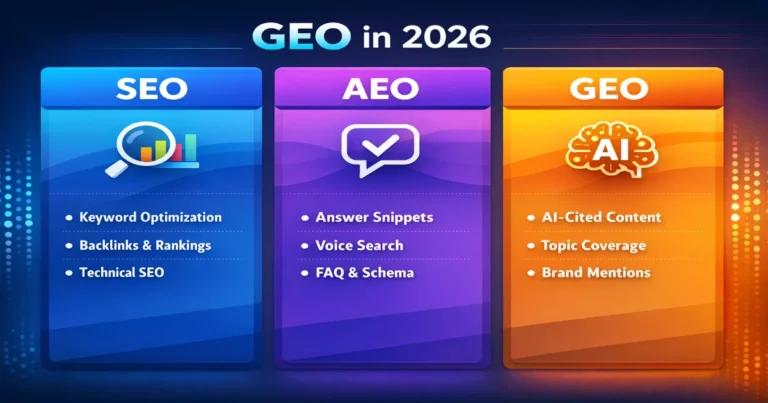
Voice search optimization techniques are ways that optimize content for natural language, short queries, and succinct answers on mobile and smart speakers.
These are voice search optimization techniques that focus on long-tail questions, brief FAQs, clean schema markup, and super-fast page speed under 2 seconds.
Good structure, local cues, and clear verbs assist assistants to parse intent and return rich results.
Voice Search Optimization Checklist (2025)
- ⏱ Mobile load time under 2 seconds
- 🗣 40–60 word spoken-ready answers
- ❓ Question-based H2/H3 headings
- 📍 Accurate local data + opening hours
- 🧩 FAQ, HowTo & Speakable schema
- 🎯 Intent mapped to page type
In this guide, I translate tactics to actual steps, with examples and tests you can conduct in minutes each month.
Key Takeaways
- Prepare for the conversational shift and intent-rich queries by writing in natural language and mapping informational, navigational, and transactional intents to relevant pages. Add FAQ sections that respond to full sentence questions, which is a great way to capture long tail and question-based keywords.
- Format for quick, concise responses which voice assistants can pull by adopting an answer-first format and using descriptive headers and bullet lists. Target question words and keep summaries between 40 and 60 words where applicable.
- Enhance technical fundamentals to align voice anticipation with speedy mobile load time, HTTPS, pristine architecture, and structured data. Use entity, product, FAQ, and local schema so content becomes eligible for featured snippets and rich results.
- Forge local authority for ‘near-me’ moments by claiming and optimizing your Google Business Profile and NAP consistency on directories. Solicit reviews, include location-based keywords, and use structured data to display correct opening hours and directions.
- Adjust to the zero-click reality by providing comprehensive, reliable responses that appear in featured snippets and knowledge panels. Discover snippet-triggering questions in your niche, track which pages snag them, and polish lagging pages with crisper summaries and schema.
- Track voice impact with specialized tracking of conversational keywords, featured snippet victories, local pack impressions, and voice session engagement. Map conversion paths, eliminate friction for fast actions like call now or get directions, and experiment based on performance reports.
The Conversational Shift
Voice assistants now occupy homes, cars, and phones — some 8.4 billion devices globally — and they’re rewriting the search experience. Far more users converse in sentences, not keywords, and 71% would rather speak than type. This shift is fueled by improved natural language processing and broader mobile adoption.
Forty-one percent of adults and more than half of teens use voice daily, so users demand quick, concise, vocal responses.
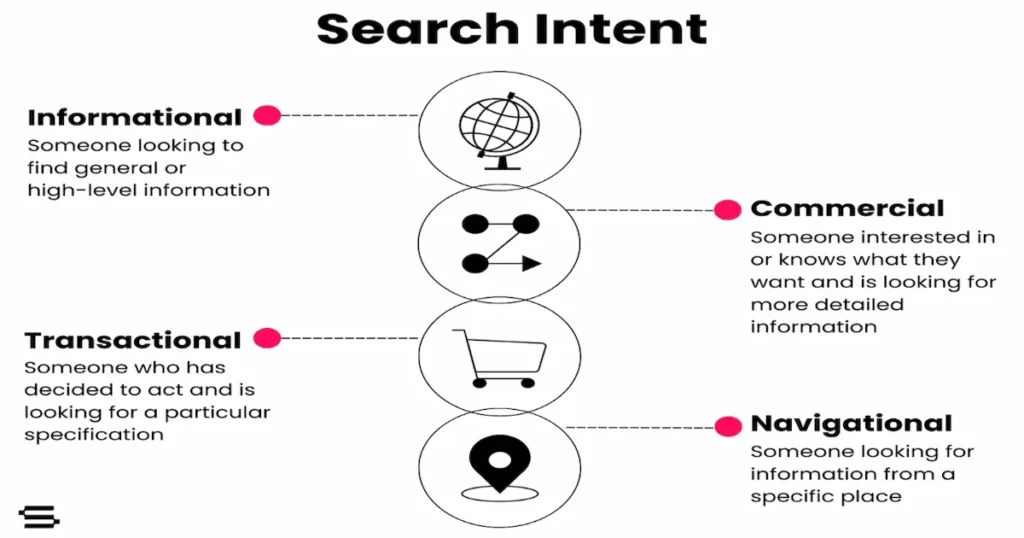
User Intent
Voice queries reveal clear goals: informational (“How do I reset a router?”), navigational (“Open Settings menu”), and transactional (“Order a medium pizza near me”). Each one needs a different content response.
Map intents to pages. Tutorials and FAQs are for informational. Store locators and app deep links are for navigational. Product pages, with stock, price, and pickup hours, are transactional. Add markup so replies can be spoken in one go.
Intent-driven phrases. Pair core terms with action and context: “buy running shoes size 42,” “book dentist near me today,” “what is GDPR in simple terms.” This expands coverage without fattening copy.
Keep tabs on real questions from Search Console, on-site search, call transcripts, and support tickets. Then retitle, H1s, and summaries in the way people actually talk.
Query Nature
Spoken queries are lengthier, more precise, and more human. People ask, “What’s the best café near me open after 21:00?” instead of “coffee NYC.” Optimize for questions, full questions, and answers.
Construct pages with explicit question headings and straight one-paragraph answers under 40 to 50 words, then specifics for those who need the background. Focus on the main question words – who, what, where, when, why, how – and overlay variations like “can,” “should,” and “near me” modifiers.
Expand keyword research beyond short phrases. Mine auto-suggest, People Also Ask boxes, and long-form community threads to capture sentence-level queries. Format with snappy definitions, lists of steps, and comparison blocks. This layout aligns well with how assistants parse results for spoken answers and increases your snippet odds.
Search Behavior
They have people interact with assistants as if they were competent aids. They want immediate, local, and hands-free results: “Where is the nearest clinic within 2 km?” or “Play news on climate.” Answers should be brief, accurate, and comprehensive.
For local intent, keep NAP data precise, use metric units, add opening hours, wheelchair access, and real-time stock if you have it.
Device context is important. Mobile powers on-the-go asks, smart speakers drive home and workplace queries, and cars trigger safety-first, stepwise instructions. Examine device reports, time-of-day patterns, and query type splits, then fine-tune content length and answer style by context.
| Traditional Search | Voice Search |
|---|---|
| “CRM software” | “What’s the best CRM for small teams?” |
| Keyword-based | Conversational |
| Multiple results | One spoken answer |
| Click-heavy | Zero-click dominant |
Effective Voice Search Optimization Techniques
Voice search lives in the realm of conversational language, direct structure, and quick answers. Start with a step-by-step flow: research conversational, long-tail questions; map intent to pages; build answer-first copy; add FAQ sections; layer schema; tighten technical SEO; optimize local profiles; measure results; and iterate monthly.
Checklist: align with user intent, favor mobile speed, structure for snippets, use FAQ, How-To, and Local Business schema, ensure NAP consistency, request reviews, and track voice-friendly KPIs such as featured snippets, local pack, query length, and time to answer.
1. Conversational Content
Use simple, conversational words and phrases. Focus on longer, question-like queries such as ‘What’s the best coffee shop near me?’ instead of blunt strings like “coffee NYC.” Map intents, such as know, go, do, and buy, to page types and add brief, spoken-ready responses that fit in 15 to 30 seconds.
Create FAQs around real customer inquiries and support service pages geographically. Implement FAQ Schema to help assistants pull out clean answers. Follow each question with a one- to two-sentence answer.
Build out content clusters around problems, connecting your guides, checklists, and FAQs. Such depth indicates topical expertise and creates additional opportunities for voice responses.
2. Technical Foundations
Speed and mobile-first design are mandatory. Compress images, defer non-critical scripts, use HTTP/2, cache effectively, and aim for a rapid first contentful paint on mobile. Serve all pages via HTTPS to increase trust and eligibility in voice results.
Use structured data in a big way, including FAQ Schema for Q&A blocks, Local Business Schema for location pages, and How-To Schema where step lists fit. Then assistants can parse, rank, and speak the content.
Have a quarterly technical audit of core web vitals, crawlability (robots, sitemaps), internal linking, canonicals, and accessibility, since friction at any layer decreases the likelihood of being chosen for voice answers.
3. Localized Signals
Google Business: Claim and fill out your business profile with accurate categories, hours, holidays, services, photos, and short answers to frequently asked questions. Almost 58% of voice searches are local, so think of GBP as a dynamic data source.
Ensure NAP is consistent across directories. Solicit reviews with after-buy prompts and answer feedback to increase local credibility.
4. Semantic Structure
Employ clear H1–H3 headings, brief paragraphs, and rationale flow so assistants can identify the appropriate snippet.
Add schema to specify entities, events, and relationships. Link to authoritative identifiers where possible.
Shard hard topics into nugget-sized equivalents that correspond to frequent voice questions and intents.
5. Answer-First Format
Effective voice search optimization techniques focus on understanding how users phrase their queries when speaking. These techniques include using natural language, targeting long-tail keywords, and optimizing for local search.
To implement these techniques, consider how people typically ask questions. For instance, instead of searching for “best pizza,” a user might say, “What is the best pizza place near me?” This shift in phrasing highlights the importance of incorporating conversational keywords into your content.
Understand user intent and context.
- Optimize for natural language queries.
- Focus on local SEO and listings.
- Use structured data markup.
- Improve website loading speed.
- Ensure mobile-friendliness.
- Create FAQ pages to address common questions.
- Monitor voice search analytics and adjust strategies.
Optimize the first line for featured snippets. Ensure all answers are orally fluid.
Monitor outcomes on a weekly basis, fine-tune queries, grow FAQs and evolve schema as trends change.
The Zero-Click Reality
Voice search results often conclude the journey at the results page, significantly impacting voice search performance. Many queries today are resolved without requiring a site visit, from weather checks to unit conversions, showcasing the effectiveness of a voice search SEO strategy. This trend has surged with mobile use, as nearly 60 percent of searches occur on smartphones, highlighting the voice search revolution.
In 2016, 20 percent of Google queries and 25 percent on Bing originated from voice, while shipments of voice-first devices skyrocketed from 1.7 million in 2015 to 24.5 million in 2017. The visibility of voice search results is harder to measure, as SERP features distribute attention across various formats like featured snippets and Knowledge Panels, emphasizing the need for a successful voice search SEO strategy.
You’re not just aiming for rank 1; instead, you should target position 0—the Answer Box—which can enhance click-through rates by up to 114 percent when a click does occur. Implementing voice search optimization strategies is crucial to achieving this goal, ensuring that your content aligns with the behaviors of voice assistant users.
Example Voice Query Flow
“Find a dentist near me open now” → Local Pack → Business Profile → Tap to Call → Appointment booked
Pages that fail here usually miss opening hours, schema, or one-tap actions.
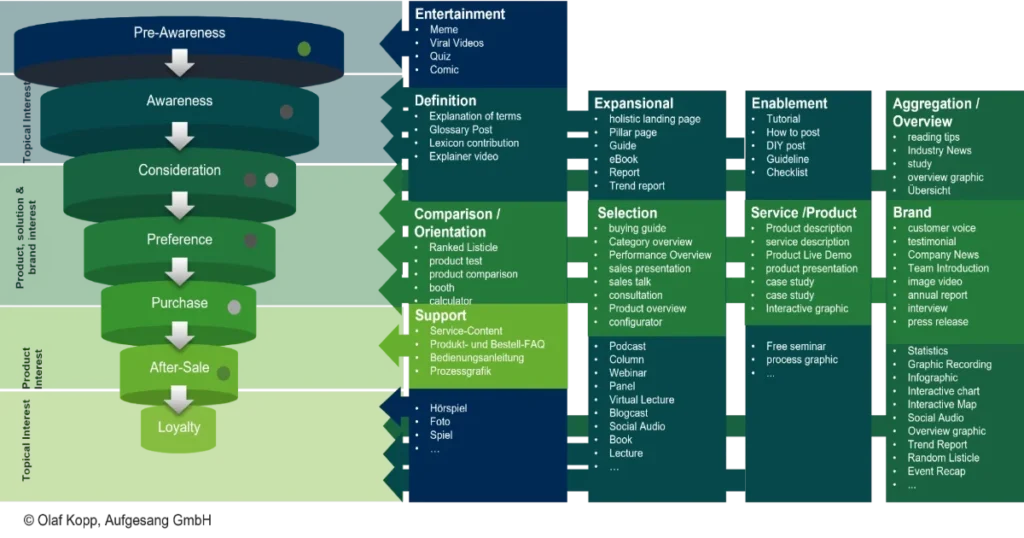
Featured Snippets
Address FAQs in 40 to 60 words, high on the page, a full thought a voice assistant can read in one go. Write in simple words, include a brief definition or a how-to action, and elaborate with examples underneath.
A recipe site could start with, “Sourdough starter is a combination of flour and water that ferments and compounds dough.” Feed it every day, maintain it at 21 to 24 degrees Celsius, and use it once it doubles. For a finance blog, you could start with a straight rate definition, then an example for a loan of 10,000 euros.
Research what questions elicit snippets in your niche. Look at “People ask” clusters, compare patterns, and map intent types: definition, list, steps, or table. For example, if ‘how to reset router’ returns a steps snippet, replicate that style and include a troubleshooting branch.
Monitor pages that already have snippets and protect them! Optimize intro answers and headers (H2/H3) and compress answer blocks to 50 words when you notice truncation. For pages losing snippets, try a new format. Go from paragraph to list, or insert a tight table of specs.
| Element | Guideline | Example |
|---|---|---|
| Answer block | 40–60 words, one idea | “A VPN encrypts traffic between device and server…” |
| Format | Match intent (paragraph/list/steps/table) | “Steps: 1) Power off… |
| 2) Press reset…” | ||
| Header | Direct, matching the query | “What is compound interest?” |
| Context | One case in point under the response | “5% a year on 1,000 euros…” |
Knowledge Graph
To ensure your brand is recognized as a trusted entity, implementing an effective voice search SEO strategy is essential. This involves applying Organization, Product, Service, FAQ, and HowTo schema while linking consistent profiles and data sources across your site, profiles, and reputable directories. Maintaining consistency in names, addresses, and categories is crucial for voice search performance.
Incorporate sameAs links to verified profiles and connect to Wikidata or industry registries as needed. Internal links should represent real-world relationships, which helps improve voice search rankings. A single canonical source for facts like founding date and service areas is vital for optimizing voice search technology.
Finally, populating Knowledge Panels and stabilizing entity associations over time can significantly enhance your voice search SEO efforts. This approach not only aids in disambiguating conflicts but also positions your brand favorably in the voice search market.
Direct Answers
Write concise, factual answers for probable voice queries, then provide a quick example. What does GDPR mean? GDPR stands for General Data Protection Regulation.
It is one of the most significant pieces of data protection legislation in the EU, regulating personal data processing and storage. It affects all organizations that process the data of EU citizens, irrespective of where they are based.
Fines for violations can be up to €20 million or 4% of annual global turnover, whichever is greater. Health content can explain what ‘resting heart rate’ means, then provide a normal range in beats per minute.
‘Resting heart rate’ is how often your heart beats per minute while resting. The average adult resting heart rate is between 60 and 100 beats per minute.
What
Zero-click searches refer to search engine results that provide immediate answers, enhancing voice search performance.
Why
Zero-click searches are increasingly prevalent due to the rise of voice search technologies, significantly impacting user behavior.
How
To accommodate zero-click searches, businesses must develop an effective voice search SEO strategy that enhances their visibility in search results. By optimizing for voice search queries, companies can ensure that their content provides voice search answers that are concise and relevant, catering to the growing number of voice assistant users.
Risks
Discuss the risks associated with zero-click searches for businesses, including potential loss of traffic and voice search performance.
Next Step
Outline the next steps businesses should take to optimize for zero-click searches.
Use plain language and avoid jargon. Favor “set up” to “configure,” and “speed up” to “optimize.
Read answers aloud and highlight stumbles. Tweak sentence length and word choice until it flows.
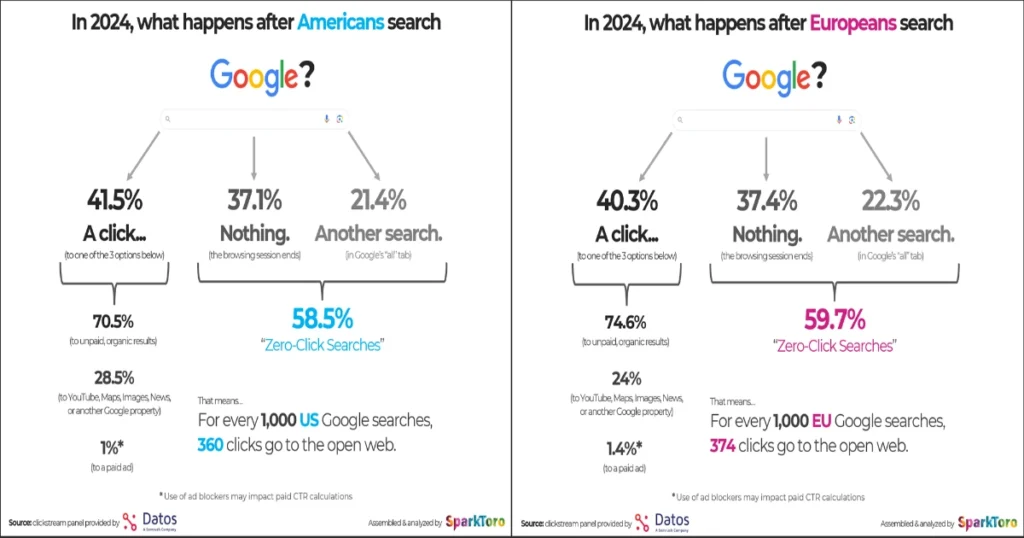
Beyond Keywords
To develop an effective voice search SEO strategy, focus on ranking for topics and intent rather than individual terms. Align your content to the actual questions voice searchers pose in complete sentences, including follow-ups and their goals, especially on mobile, where a well-defined structure can enhance voice search performance and optimize for featured snippets.
Entity Recognition
Start by listing every entity tied to your offer: products, services, locations, brands, and regulated terms in your field. Specify what each one is called, how it’s spelled, and a description so voice assistants can disambiguate it even with ambient noise.
For local discovery, voice searches are three times more likely to be local. Add exact place data including city, region, service radius in kilometers, and opening hours. Where possible, use structured data to markup entities.
Add Organization, Product, Service, LocalBusiness, and FAQ schema to surface attributes, connect synonyms, and reveal relationships. Add things like price range, pick one currency and stick with it, area served in kilometers, and accepted languages.
- Brand/organization;
- Priority services;
- Product lines;
- Locations and service areas;
- Regulated terms or certifications;
- Key people;
- Support channels;
- Integrations.
Reference these identically across pages and link to authoritative sources such as schema.org, official standards bodies, Wikipedia/Wikidata, and vendor docs to reinforce identity and reduce ambiguity.
Topic Clusters
Cluster content by intention with a pillar page for each theme, then link supporting posts to the pillar with internal links and a uniform anchor pattern. This establishes topical authority, aids semantic search in bridging related concepts and directs crawlers.
Include location variants for high-intent action queries as a lot of voice queries tend to be local in nature, for example, ‘best CRM for remote teams in Berlin.’ Refresh clusters as new questions arise and have mobile-first layouts, compressed media and fast render paths.
- Pillar: “CRM Selection Guide.” Support: “Best CRM for remote teams,” “Onboarding playbook,” “Security checklist,” “Regional pricing (EUR)”
- Pillar: “Telehealth Compliance.” Support: “Consent flow,” “Cross-border care rules,” “Device checks,” “Local clinic finders (within 10 km)”
- Pillar: “Small Business Finance Tools.” Support: “Invoicing templates,” “Tax dates by country,” “Cash-flow FAQs,” “Bank feed setup.”
Natural Language
To optimize for voice search performance, write answers in a way that reflects how people naturally speak: use short clauses, clear verbs, and concrete objects. Users are increasingly utilizing voice search technologies, often asking full questions like, ‘What’s the best CRM for remote teams?’ By employing long-tail phrases and QA blocks, you can align your content with common voice search queries.
Focus on context rather than simply cramming in keywords. Proofread for a smooth flow, vary your sentence lengths, and provide direct answers within the first one to two lines. Implementing a voice search SEO strategy that includes schema for FAQ/HowTo will help pages load quickly on mobile, supporting voice playback and snippet capture.
| Verbal question | straightforward answer model | analogy | | ‘How do I make my site faster?’ | ‘Get load time under 3 seconds. Compress images. Inline critical CSS.’ | Like shedding pounds from a backpack to hike swifter. | | “What plan for team of 5” | “Starter – 5 seats plus basic CRM” | Choose a city car over a cargo van. |

Measuring Voice Impact
Voice search optimization requires an effective voice search SEO strategy, where transparent tracking is essential, or results remain unclear. Configure segments, events, and reports that isolate voice-driven sessions to link rankings, engagement, and conversions back to particular voice search queries and pages.
Rank Tracking
Monitor the long-tail, conversational search terms that match people’s speech patterns, from question words to filler words. Add location signals since voice searches are roughly three times as likely to be location-based.
Near me,” “open now,” and neighborhood names account for a big chunk of these searches. Track featured snippet victories and local pack positions for keywords. Pages optimized for ‘answer direct’ typically make it into position zero, which assistants read.
Aim for brief responses of 40 to 60 words high on the page, backed by schema. Employ rank tracking software that surfaces voice SERP features, device type and location grid results. Keep an eye out for volatility concerning mobile usability and site speed because both are weighted more heavily in voice contexts.
Contrast voice-centric keyword sets with traditional ones on a weekly basis. Identify holes where you perform well on desktop but perform poorly on mobile voice, then patch content clarity, schema, and load time.
User Engagement
To enhance your voice search performance, measure voice users’ behavior once they land, segmenting by device, query patterns, and entry pages. Get down to business and assess the impact of voice search. Review bounce rate, time on page, scroll depth, and click-through rates to key actions.
Break down engagement by content type: FAQs, how-to steps, and “near me” pages often earn stronger engagement because they provide voice search answers in plain language, early, and with clear next steps. Position the core of your answer in the first few sentences, then follow with a concise, 40–60 word explanation that succinctly addresses the question.
Prioritize mobile page speed and tap targets, as slow pages can quickly lose voice search users. Include low-hanging fruit like jump links to FAQs, summary boxes that flow well when read aloud, and mini forms with fewer fields to optimize for voice search technology.
Pull insights monthly: identify which voice search queries keep users engaged, which ones they abandon, and which snippets you hold or lose. Incentivize reviews and on-page feedback calls to action, as new, quality reviews boost trustworthiness and local SEO efforts.
At scale, remember the baseline: over 1 billion searches happen each month, and 58.6% of U.S. residents have tried voice search. Small gains in engagement can compound, leading to a successful voice search SEO strategy.
Conversion Paths
Map the path from a spoken query to action: “find pediatric clinic near me” leads to local pack click, location page, and tap “call now,” “book visit,” or “get directions.” Identify weak steps: long forms, slow maps, or hidden CTAs.
Tighten CTAs for mobile voice, surface hours, price ranges (one currency per page), and add one-tap actions. Measure conversions with tagged buttons, call tracking numbers, direction-click events and store visit proxies.
Trace leads and sales to voice queries and pages. Track weekly by rank and visibility and monthly by engagement and revenue, then iterate. Voice optimization is continual.
Future-Proofing Your Strategy
Voice use continues to increase rapidly and is no longer just a niche. More than half of all adults use voice search on a daily basis, making an effective voice search SEO strategy crucial. By 2025, seventy-five percent of U.S. households will have at least one smart speaker, highlighting the voice search revolution that businesses cannot afford to ignore.
Stay updated on emerging voice technologies and assistant capabilities.
Stay on top of roadmap updates from the key assistants, device makers, and browser vendors. Pay attention to modifications to supported intents, locale coverage, and privacy regulations. Observe how assistants parse context, preferred answer lengths, and follow-up questions.
Map these changes to your content types: local search, product Q&A, how-to, and support. Keep a feature log that ties each capability to content rules, like when to use HowTo schema versus FAQ or when to add localized product availability. This way, teams can ship updates quickly when assistants modify parsing or answer ranking.
Experiment with new content formats, such as audio and interactive Q&A.
Voice-first users crave concise, direct answers that sound human. Produce compact audio snippets lasting 30 to 60 seconds that match top intent clusters: “How do I…,” “What is…,” “Where to buy….” Include transcripts for every clip to aid indexing and accessibility.
Create Q&A pages in the style of conversational flows with explicit questions, short answers, and follow-up questions. Implement FAQ, HowTo, Speakable, Product, and LocalBusiness schema. Well implemented, schema markup can increase voice visibility by 30 to 50 percent in 3 months.
Voice commerce is fast-growing with USD 40 billion in sales by 2025, so look to include structured product data, stock status, price in local currency, and clean checkout flows optimized for voice-assisted sessions.

Build flexibility into your SEO strategy to adapt to evolving voice search trends.
From fixed keyword lists to intent taxonomies and question graphs. Cluster content by activity, not by keyword. Design with modular page sections that can be re-ordered, shortened, or expanded to fit different assistants’ answer templates.
Localize by language, region, and unit preferences, and maintain a glossary of synonyms and brand terms users speak aloud. Consider featured snippets, “people ask,” and knowledge panels as premium placement and then optimize your content to occupy them with accurate, referenced responses.
Invest in continuous learning and testing to maintain a competitive edge.
Voice search isn’t a set-it-and-forget-it deal. Conduct monthly testing for query variants, changes to surface form, and follow-ups. Monitor response frequency, snippet proportion, and session performance.
A/B test tone, length, and schema. Leverage call recordings and chat logs (with approval) to discover authentic language, particularly from younger customers who prefer hands-free, conversational queries. Update playbooks on a quarterly basis.
Businesses that pivot quicker will align with the change in behavior and capture audience and profits.
Win voice answers with clarity, speed, and intent-matched markup.
Voice search now influences how users query and how sites respond. Clear talk wins. Fast pages win. Markup that matches the intent wins. Short Q&A blocks amplify reach, and accurate local information drives real calls and direction taps.
Use Speakable schema for short definitions and FAQs on news, guides, and evergreen pages so assistants know which sections are safe to read aloud.
One-week voice boost plan
- Choose 3 intents (Know / Go / Do / Buy) and assign them to real pages.
- Add a 40–60 word answer at the top + question-style H2.
- Layer schema (FAQPage / HowTo / LocalBusiness / Speakable where relevant).
- Fix speed: compress images, defer scripts, reduce heavy widgets on mobile.
- Measure outcomes: snippets, local pack, calls, direction taps, form starts.
Frequently Asked Questions
What is the conversational shift in search?
People use voice queries like regular questions, so implementing an effective voice search SEO strategy is crucial. Optimize for full questions, conversational language, and brief answers to enhance voice search performance.
Which techniques improve voice search visibility?
To implement an effective voice search SEO strategy, focus on optimizing for question keywords and respond with concise answers of 30 to 50 words. Additionally, utilize schema markup and prioritize Core Web Vitals to enhance voice search performance while ensuring fast pages and accurate local listings.
How do I win zero-click answers?
To implement an effective voice search SEO strategy, answer directly and format answers high on the page using headings, lists, and FAQs to match voice search queries.
Do keywords still matter for voice search?
Yeah, think intent and natural phrasing for an effective voice search SEO strategy. Employ long-tail questions, synonyms, and entities while steering clear of keyword stuffing.
How do I measure voice search impact?
Monitor featured snippets, ‘People ask’ and local pack rankings to enhance your voice search performance. Track branded and question queries, CTR, and conversions using effective voice search SEO strategies.
What schema helps with voice results?
Implementing a successful voice search SEO strategy involves using structured data like FAQPage and HowTo markup, ensuring accuracy, and validating with testing tools to enhance voice search performance.
How can I future‑proof my strategy?
Put your resources into valuable, authoritative content and an effective voice search SEO strategy, along with great site speed, schema markup, and local NAP consistency.