
AI Overviews choose content to cite based on topical authority, answer clarity, entity trust, and consistency across an entire website—not keyword rankings alone. In 2026, AI systems evaluate whether a source explains a topic clearly, aligns with real user intent, and demonstrates expertise across multiple related pages.
Unlike traditional search, AI Overviews are not ranking engines. They are answer-synthesis systems designed to understand questions, generate accurate responses, and reference sources that can be trusted without ambiguity. This is why many pages that rank well are never cited, while some lower-ranking pages consistently appear as references.
If content is easy for AI to extract and useful for humans to trust, it becomes citation-eligible. This guide explains how AI Overviews evaluate content in 2026, which signals influence citations, and how websites can structure information to become trusted sources rather than overlooked results.
Key Takeaways
- AI Overviews cite content based on authority, clarity, and trust—not rankings alone.
- Websites with strong topical clusters outperform isolated high-ranking pages.
- Answer-first structure makes content easier for AI systems to extract and summarize.
- Entity clarity and consistent messaging increase citation eligibility.
- Practical, human-readable explanations are favored over theoretical or generic content.
What AI Overviews Are Really Designed to Do
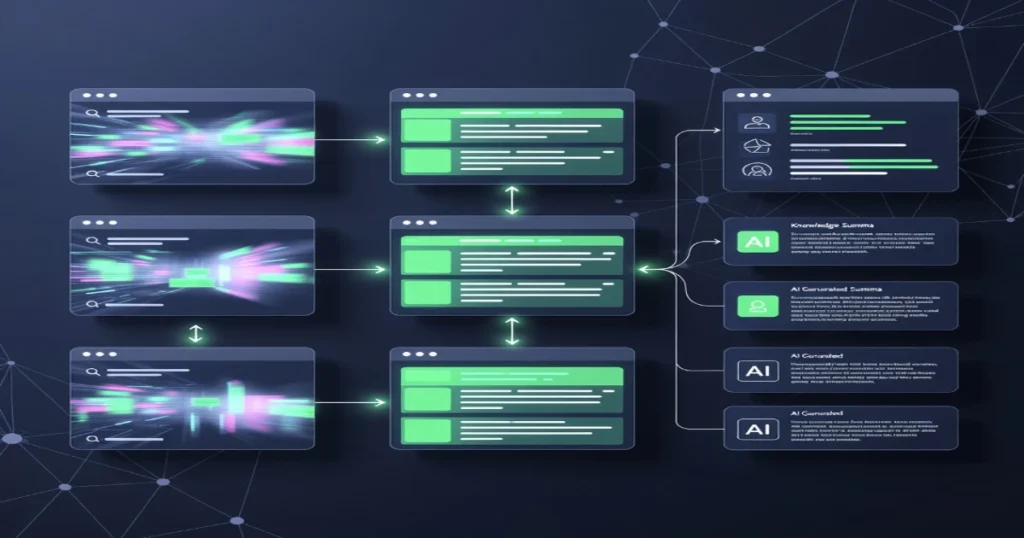
AI Overviews are not ranking engines.
They are answer synthesis systems.
Their goal is to:
- Understand the user’s question
- Generate a concise, accurate answer
- Cite trusted, explainable sources
That’s why many ranking pages are not cited, while some lower-ranking pages are.
AI does not ask “Who ranked first?”
It asks “Who explained this best?”
The 6 Signals AI Overviews Use to Choose Content (2026)
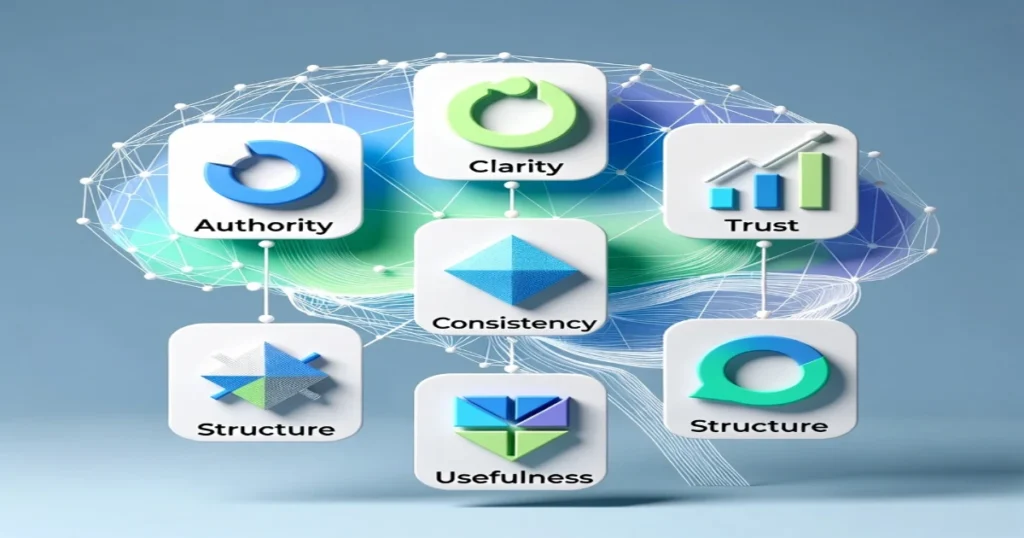
1. Topical Authority (Site-Wide, Not Page-Only)
AI Overviews favor websites that:
- Cover a topic in depth
- Answer related sub-questions consistently
- Demonstrate long-term expertise
One strong article helps.
A connected topic cluster wins.
This is why AI-ready strategies always start with authority mapping—not random content creation.
➡️ Related:
<a href=”/ai-content-strategy/”>AI Content Strategy for 2026</a>
2. Answer-First Content Structure
AI systems prioritize content that:
- Answers questions immediately
- Uses clear H2 and H3 headings
- Avoids unnecessary storytelling
If an answer cannot be extracted cleanly, the page is unlikely to be cited.
AI-friendly structure looks like:
- Clear questions as headings
- Short, direct paragraphs
- Logical flow
This is where strong technical SEO foundations matter.
➡️ Related:
<a href=”/technical-seo-services/”>Technical SEO Services</a>
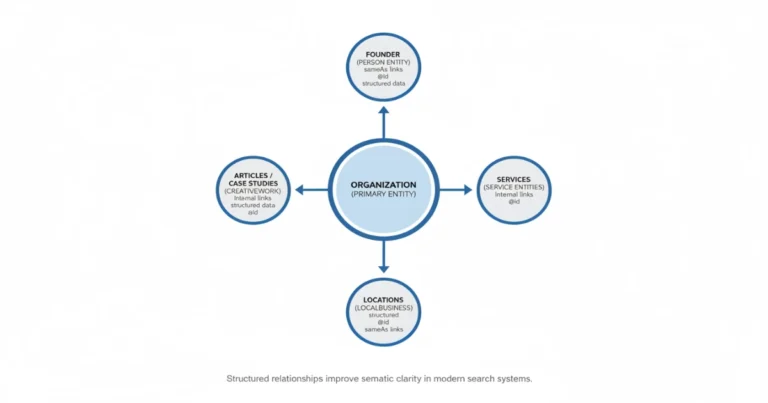
3. Entity Clarity & Brand Trust
AI Overviews rely heavily on entity recognition.
They look for:
- Clear brand identity
- Consistent positioning across pages
- Obvious subject-matter focus
Vague blogs written “for everyone” rarely get cited.
Focused expertise does.
This is why citation-ready pages clearly state:
- Who the content is for
- What problem it solves
- Why the source is credible
4. Consistency Across Your Website
AI systems cross-reference your own content.
If your site:
- Contradicts itself
- Uses different definitions
- Sends mixed signals
…trust drops.
Consistency across service pages, blogs, and frameworks is a major citation signal in 2026.
5. Human Readability Still Matters
Even though AI generates answers, it is trained to optimize for human usefulness.
AI prefers content that:
- Sounds natural
- Explains concepts clearly
- Avoids jargon overload
If a human struggles to understand it, AI usually avoids citing it.
6. Practical Value Beats Theory
AI Overviews increasingly cite content that explains:
- How something works
- Why it matters
- What to do next
Pure theory without application is less citation-worthy.
This is why frameworks, step-by-step explanations, and real-world guidance perform exceptionally well.
What Does NOT Help You Get Cited in 2026
These tactics offer little citation value today:
- Keyword stuffing
- Generic listicles
- AI-generated filler
- Thin comparison posts
- Over-optimized anchors
They may rank temporarily—but they rarely become referenced sources.
How to Improve Your Chances of Being Cited
To become citation-eligible, focus on:
- Building topical clusters, not isolated posts
- Writing direct answers, not long narratives
- Maintaining entity clarity and trust
- Structuring content for summarization
- Regularly updating and validating content
A proper evaluation usually starts with a structured audit.
➡️ Related:
<a href=”/seo-audit/”>SEO Audit for AI & Search Visibility</a>
<a href=”/ai-search-visibility-score-tool/”>AI Search Visibility Score Tool</a>
Key Takeaway for 2026
AI Overviews do not reward tricks. They reward clarity, authority, and usefulness.
If your content:
- Answers questions better than competitors
- Comes from a clearly trusted source
- Aligns with real user intent
…citations follow naturally.
How to Get Cited in AI Overviews in 2026
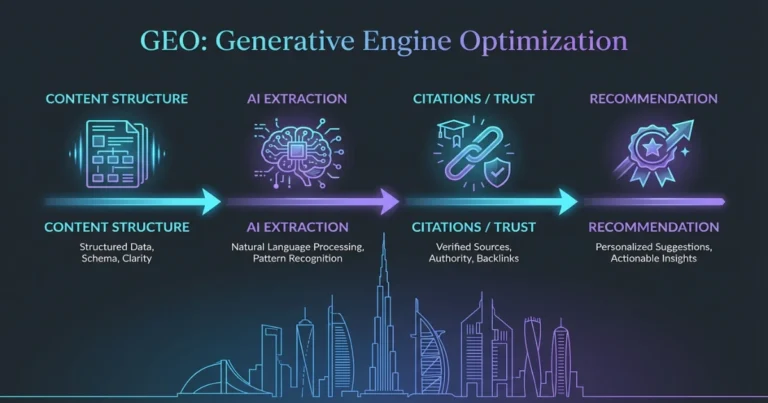
In 2026, the fastest way to become citation-eligible is to build a content system that AI can understand and humans can trust. That means: consistent topical coverage, answer-first structure, clear entity signals, and measurable quality improvements.
If you want AI Overviews to treat your website as a source, your pages must be written to deliver clean answers, strong context, and practical value — not filler.

FAQs
What makes content eligible for AI Overviews?
Content becomes eligible when it demonstrates topical authority, clear answers, consistent messaging, and strong entity trust across the website.
Do rankings still matter for AI citations?
Yes, but rankings alone are not enough. Many ranking pages are skipped if they lack clarity, structure, or trust signals.
How long does it take to earn AI citations?
Some pages are cited within weeks, while others require authority to build over months. Consistency accelerates results.
Can existing content be optimized for AI Overviews?
Absolutely. Updating structure, clarity, and internal alignment often works faster than publishing new pages.
Is AI-generated content bad for citations?
AI-assisted content is fine if it is reviewed, refined, and enhanced with human expertise. Raw AI output alone rarely gets cited.
Does technical SEO affect AI Overviews?
Yes. Poor site structure, slow pages, or crawl issues can prevent AI systems from fully understanding your content.
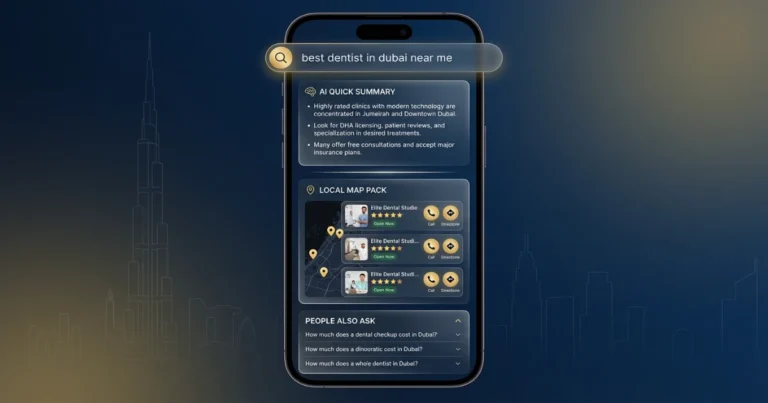
Is this approach suitable for Dubai and UAE businesses?
Yes. Competitive markets like Dubai benefit the most from authority-driven, AI-ready content strategies.
How do I know if my content is citation-ready?
You need to assess topical coverage, structure, entity clarity, and AI readability—this is what modern AI content audits measure.
Final Thought
In 2026, visibility is no longer just about being found.
It’s about being trusted enough to be referenced.
If your content is built to be understood, not manipulated, AI Overviews will eventually treat it as a source—not just another page.
Want Your Content to Be Cited Instead of Ignored?
Get a citation-ready content plan that improves AI visibility, strengthens topical authority, and turns your best pages into trusted sources. Start with a quick audit and a clear roadmap.