Why this topic is crucial now
Question: Why are marketers talking about Generative Engine Optimisation, AEO and SEO in 2026?
Short answer: Traditional search engine optimization (SEO) still matters, but it no longer controls the entire funnel. AI‑powered tools like ChatGPT, Perplexity and Google AI Overviews deliver answers directly, and many queries now end without a click. Recent Semrush research shows around 60 % of Google searches end without a click, with 58.5 % of U.S. searches and 59.7 % of EU searches being zero‑click.
On mobile devices the trend is even more pronounced – 77.2 % of mobile queries produce no web visit. To stay visible when clicks aren’t guaranteed, businesses need to optimize for answer engines (AEO) and generative engines (GEO) alongside SEO.
In this guide we break down what each approach does, why it matters and how to optimize for all three. Each section begins with a direct answer, followed by an in‑depth explanation – the same structure that answer engines love.
What is traditional SEO and why does it still matter?
Question: What does SEO do in 2026?
Short answer: Search Engine Optimisation (SEO) helps search engines like Google and Bing find, index and rank your pages. It involves technical optimization (speed, crawlability), on‑page signals (relevance, keywords, internal linking) and off‑site authority (backlinks and brand mentions). SEO still drives discovery, especially for e‑commerce, local services and long‑form content.
The deeper explanation
- Technical SEO: ensures your site loads quickly, is mobile‑friendly and easy for bots to crawl. XML sitemaps, clean URL structures and avoiding duplicate content fall here.
- On‑page SEO: covers keyword research, title tags, meta descriptions, internal linking and aligning content with search intent.
- Off‑site SEO: builds authority through backlinks and brand mentions. High‑quality links tell Google you’re credible.
SEO remains the foundation of discoverability – without it, answer engines and generative engines may never find your content. However, rising zero‑click searches and AI summaries mean ranking alone is not enough. You need to be selected.
What is Answer Engine Optimisation (AEO)?
Question: How is AEO different from SEO?
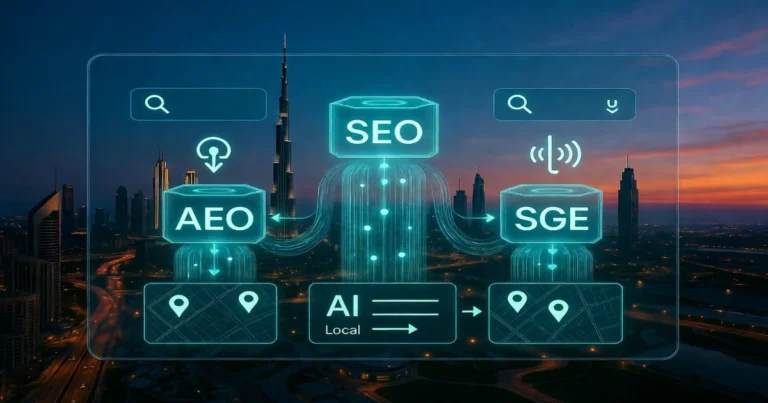
Short answer: Answer Engine Optimisation targets platforms that deliver direct answers – think Google’s featured snippets, People Also Ask boxes, knowledge panels, voice assistants and AI chat tools. AEO focuses on making your content selectable by these systems. It uses question‑based keywords, clear Q&A formatting, concise introductory answers and structured data (FAQ schema). AEO’s goal is to become the answer, not just a top result.
AEO explained
- Optimizing for questions: Focus on natural language queries beginning with “how,” “what,” “why,” “when” and “where.” These trigger answer boxes and voice results.
- Q&A formatting: Structure sections with questions as H2/H3 headings and provide a succinct answer in the first 40–60 words. This is ideal for voice assistants.
- Schema markup: Implement FAQ, HowTo and Article schema so machines can identify questions and answers.
- Voice‑friendly language: Use conversational tone and short sentences. Voice queries are natural; your content should match the way people speak.

AEO is critical because voice search adoption is rising – around 20 % of people worldwide actively use voice search, with about 27 % of mobile users employing voice assistants. There are 8.4 billion voice assistants in circulation and 153.5 million U.S. users.
People prefer voice because it feels easier and faster: 90 % of users say speaking is more convenient than typing, and 70 % use voice search because it’s quicker.
At the same time, zero‑click searches account for about 60 % of Google queries, with 58–60 % of U.S. and EU searches ending without a click. If your content isn’t formatted for direct answers, AI‑powered platforms will skip it.
What is Generative Engine Optimisation (GEO)?
Question: What sets GEO apart from SEO and AEO?
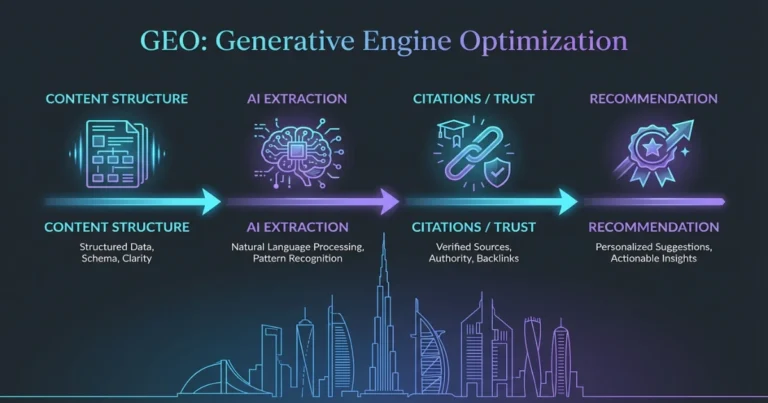
Short answer: Generative Engine Optimisation (GEO) is about getting cited by AI systems such as ChatGPT, Gemini, Perplexity and Google AI Overviews when they generate answers. Traditional search engines link to results, but generative engines synthesize information and provide responses.
GEO focuses on making your brand the authoritative source inside these models by building topical authority, structuring content for machine consumption, using schema and earning citations from reputable sites.
GEO in detail
- Topical authority: Instead of chasing individual keywords, create comprehensive content clusters around your core topics. AI models favor sources that cover every angle and show depth of expertise.
- Human‑friendly, structured writing: Use clear headings, bullet points and logical flow. AI models parse structured content more easily.
- Schema markup: Mark up articles, FAQs and HowTo guides so AI understands the context.
- Earn credible citations: Generative engines weigh credibility heavily; the more authoritative sites link to you, the more likely AI considers you a trusted source.
- Answer first, expand later: Start each section with a direct, concise answer so generative engines can quickly extract it.
GEO doesn’t directly drive clicks – AI answers often don’t link out – but it builds brand visibility and mind‑share. When AI repeatedly quotes you, consumers begin to trust your brand, which influences future searches and decisions.
SEO vs. AEO vs. GEO: A quick comparison
| Goal | SEO | AEO | GEO |
|---|---|---|---|
| Primary objective | Rank pages and drive clicks | Become the direct answer in snippets, voice search and answer engines | Be cited by generative AI tools |
| Drives website traffic? | Strong | Limited | Minimal |
| Appears in AI summaries? | Weak | Strong | Strong |
| Influences AI recommendations? | Weak | Moderate | Strong |
| Best for | E‑commerce, local services, monetizing clicks | Voice search and expertise‑driven services | Long‑term brand dominance and high‑trust industries |
Voice search pro tip: When writing headings or lists, read them out loud. If they sound natural when spoken, they’re likely voice‑search friendly.
Visual summary
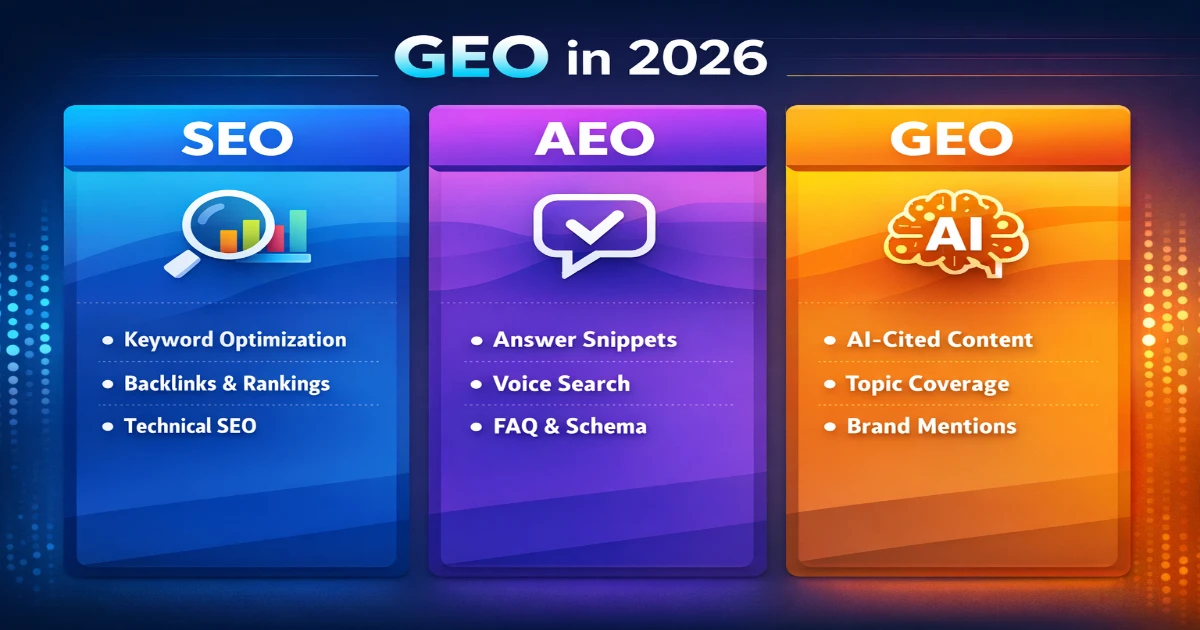
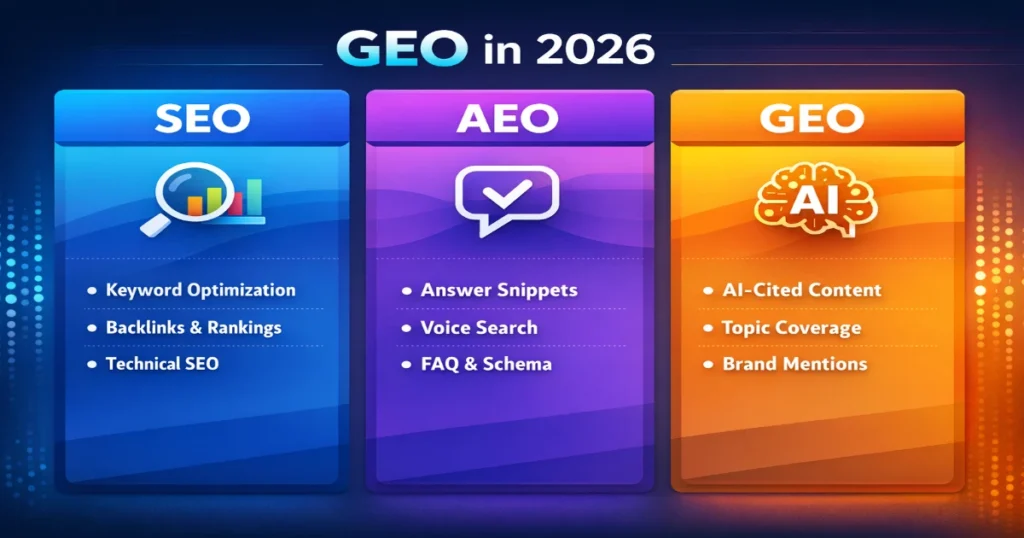
To make these differences easier to digest, here’s a simple infographic summarizing the core features of SEO, AEO and GEO. Feel free to share this with your team or clients:
Integrated optimisation: How to succeed across all three
To beat competitors, you need an integrated strategy that addresses SEO, AEO and GEO simultaneously. Here are actionable steps:
1. Perform a technical and content audit
- Ensure crawlability: Fix broken links, improve site speed and submit XML sitemaps.
- Identify zero‑click opportunities: Use tools like Google Search Console and Perplexity’s citation lists to see which queries trigger snippets or AI responses.
2. Build comprehensive topic clusters
- Choose a core topic (e.g., generative engine optimisation) and create a pillar page covering it holistically.
- Write supporting articles on related subtopics (e.g., “How AI Overviews select sources,” “Schema markup essentials,” “How to earn high‑authority citations”) and interlink them. This builds topical authority and helps AI understand relationships.
3. Use Q&A formatting and schema
- Start each section with a question (H2/H3) and a direct answer in 40–60 words – ideal for voice search and answer engines.
- Mark up pages with FAQPage, HowTo and Article schema so machines can parse them.
4. Optimize for voice
- Use conversational language and natural phrasing.
- Include long‑tail question keywords that match the way people speak (e.g., “What is GEO and why does it matter in 2026?”).
- Provide succinct answers at the beginning of each section.
5. Earn citations and build authority
- Guest post on reputable industry blogs, get interviewed on podcasts and publish original research.
- Encourage unlinked brand mentions; research shows brands with more mentions appear 40 % more often in AI answers.
- Use digital PR to secure coverage in mainstream publications.
6. Monitor AI visibility and adapt
- Use tools like OmniSEO®, Otterly.ai or Rankscale to track citations and AI visibility.
- Adjust your content strategy based on where your brand is being cited (ChatGPT, Google AI Overviews, Perplexity) and fill gaps accordingly.
Emerging 2026 trends: Multimodal answers, brand authority and AI commerce
AI‑driven search is evolving rapidly, and staying ahead of competitors means watching the latest trends. Here are a few developments shaping optimisation in mid‑2026:
Multimodal answers require visual and audio content
Answer engines are no longer text‑only. Google AI Overviews and ChatGPT now mix text, images and short videos in a single response, especially on mobile. AgencyAnalytics notes that multimodal answers are emerging, and brands should include visuals, diagrams and short videos alongside text to remain eligible. By adding alt text, captions and clear explanations to media, you help models understand and cite your content.
Brand mentions matter more than links
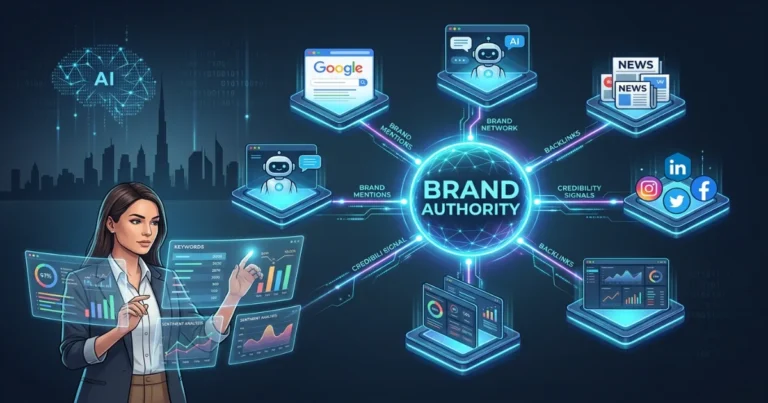
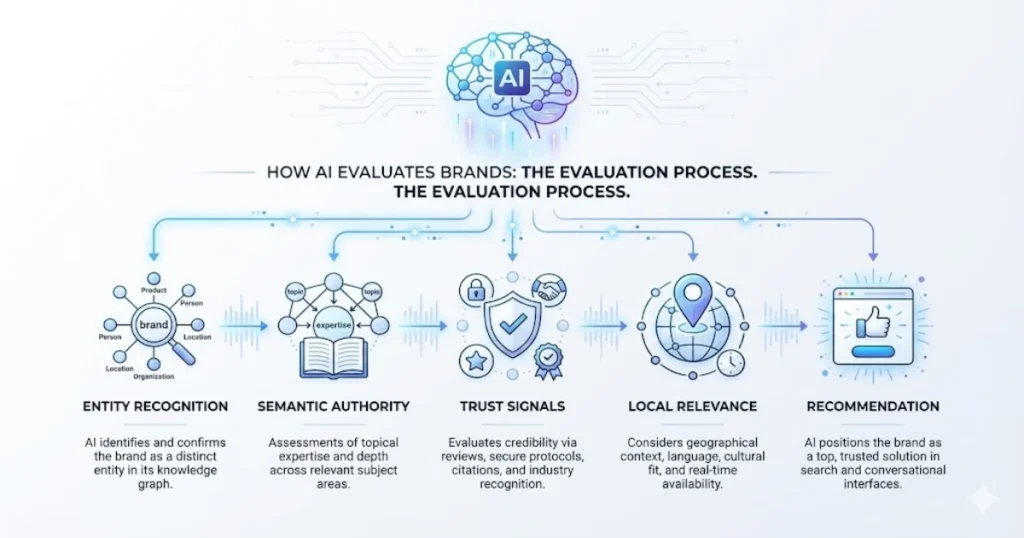
Generative engines value brand authority and entity recognition as much as hyperlinks. Research shows that brands with more unlinked mentions appear about 40 % more often in AI answers.
Focus on digital PR campaigns, guest posts, interviews and community participation to increase mentions across high‑authority sites and forums. Schema markup (Organization and sameAs) helps associate these mentions with your brand in the knowledge graph.
Beware of over‑optimisation and AI fatigue
Answer and generative engines penalize content that feels formulaic or obviously AI‑generated. Most SEO teams now use AI tools for drafting, but human review remains essential. Ensure each piece offers real value, fresh insights or original data. Avoid stuffing Q&A sections unnaturally; quality trumps quantity.
Agentic commerce and autonomous search assistants
As AI agents (personal shopping assistants and voice bots) begin to make purchase decisions on behalf of users, agentic commerce emerges as a new frontier. These assistants select products based on ratings, reviews and brand trust.
Ensuring your brand appears consistently across reviews, social media and knowledge panels will influence these agents’ decisions. Invest in reputation management, customer experience and verifiable credentials to prepare for AI‑driven commerce.
Conclusion: Don’t choose – integrate
The future of search isn’t about choosing between SEO, AEO and GEO. As the data shows, traditional SEO still fuels discovery, AEO fuels trust and direct visibility, and GEO fuels long‑term relevance inside AI models. To stay visible when users rely on AI summaries, voice assistants and zero‑click answers, brands must integrate all three strategies.
By structuring content around questions, providing concise answers, building topical authority, using schema and earning high‑quality citations, you can help search engines, answer engines and generative engines all find, understand and select your expertise. This integrated approach will position your brand as the authority users see—whether they’re browsing, asking a smart speaker or chatting with an AI assistant.