Introduction: Why Most Websites Will Lose Traffic No One Is Talking About
Most websites will not lose traffic because they were penalized. They will lose traffic because modern search no longer needs them. In 2026, traffic decline rarely appears as a sudden drop. Impressions often remain stable while clicks gradually disappear without warning.
This shift is driven by AI Overviews, voice assistants, zero-click SERPs, and answer engines that now deliver information directly inside search results. Users are no longer browsing pages to explore options; they are asking questions and expecting immediate, complete answers.
As search evolves from link discovery to answer delivery, websites that cannot clearly explain and resolve user queries are quietly removed from the decision layer of search. Ranking alone no longer guarantees visibility, traffic, or conversions.
This article explains what is changing in search, why traditional SEO is no longer sufficient, and how Answer Engine Optimization (AEO) and Search Generative Experience (SGE) help websites remain visible, trusted, and relevant as AI-driven search becomes the default.
Key Takeaways
- Most websites lose traffic in 2026 due to zero-click search, not penalties.
- AI Overviews and voice assistants prioritize direct answers over page exploration.
- Rankings alone no longer guarantee clicks, traffic, or conversions.
- AEO helps content become extractable as a direct AI answer.
- Websites that structure content for clarity and trust retain visibility as search evolves.
1. How Search Is Fundamentally Changing
Search is no longer a list of links.
It is an interface for answers.
From “Search Results” to “Search Outcomes”
Previously:
- User searched
- Google ranked pages
- User clicked and explored
Now:
- User asks a question
- AI summarizes multiple sources
- The answer appears before any click
Google, Bing, voice assistants, and AI search engines are optimizing for completion, not discovery.
The goal is simple:
Solve the user’s problem as fast as possible.
That single shift explains why traffic is disappearing even when rankings remain.
2. The Rise of AI Overviews and Zero-Click Search
AI Overviews are not an experiment anymore. They are becoming a default layer of search.
They:
- Summarize answers
- Quote trusted sources
- Remove the need to click
Why This Matters
If AI can answer a query confidently using your content, it may never send the user to your site.
Traffic is replaced by:
- Visibility
- Brand mentions
- Authority signals
Websites optimized only for clicks are losing relevance.
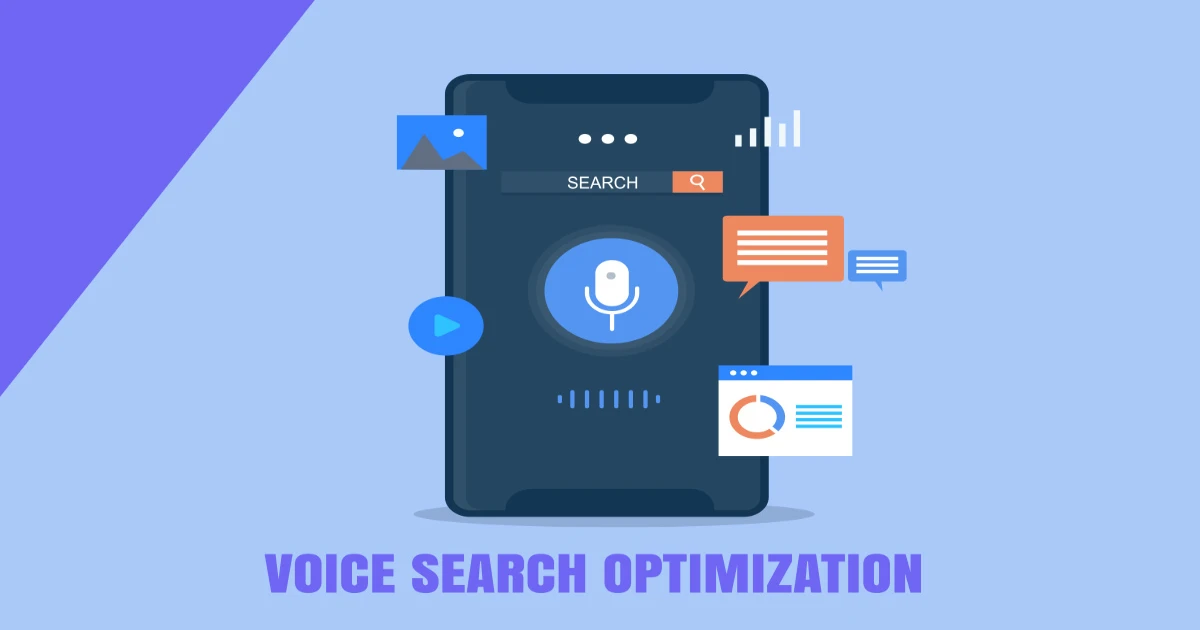
3. Voice Search Is Quietly Rewriting SEO Rules
Voice search doesn’t show ten results.
It usually gives one answer.
That answer must be:
- Short
- Clear
- Confident
- Structured
Long paragraphs, storytelling intros, and keyword stuffing do not work in voice environments.
Voice search rewards:
- Direct answers
- Natural language
- FAQ-style content
- Clear entity relationships
If your content cannot be read aloud in under 30 seconds, it will not win voice visibility.
4. Why Traditional SEO Alone Is Failing in 2026
Traditional SEO focused on:
- Rankings
- Keywords
- Backlinks
- Long content
Those signals still matter — but they are no longer sufficient.
Where Traditional SEO Breaks
- Ranking does not equal traffic
- Keywords do not equal intent
- Long content does not equal clarity
- Authority does not equal answerability
AI does not reward effort.
It rewards usefulness.
If your page ranks but does not answer the question clearly, AI will skip it. If you want to see how AI is changing these rules in 2026, read our full guide on AI Search
5. The Core Problem: Content Explains, But Does Not Answer
Most websites explain topics.
Very few answer questions.
AI engines ask:
- Can I extract a clean answer?
- Is this response trustworthy?
- Does it solve the task completely?
If the answer is no, your content is ignored — regardless of how well it is written.
This is why many “high-quality” blogs are losing reach.

6. What Is AEO (Answer Engine Optimization)?
AEO is the practice of optimizing content so it can be:
- Understood by AI
- Extracted as a direct answer
- Used without rewriting
AEO Content Characteristics
- One clear question per section
- A direct answer immediately after the heading
- Supporting explanation below
- Simple, factual language
- Schema markup support
AEO does not replace SEO.
It completes it.
7. What Is SGE (Search Generative Experience) Optimization?
SGE focuses on how AI generates summaries from your content.
SGE-optimized pages:
- Explain processes step-by-step
- Cover the topic completely
- Provide examples
- Reduce ambiguity
- Demonstrate experience and trust
AI prefers content that feels final — not partial.
8. SEO vs AEO vs SGE (Simple Breakdown)
| Approach | Focus | Outcome |
|---|---|---|
| SEO | Rankings | Visibility |
| AEO | Answers | AI extraction |
| SGE | Summaries | Citation & authority |
Websites that use all three dominate modern search.
9. How AI Chooses Which Pages to Cite
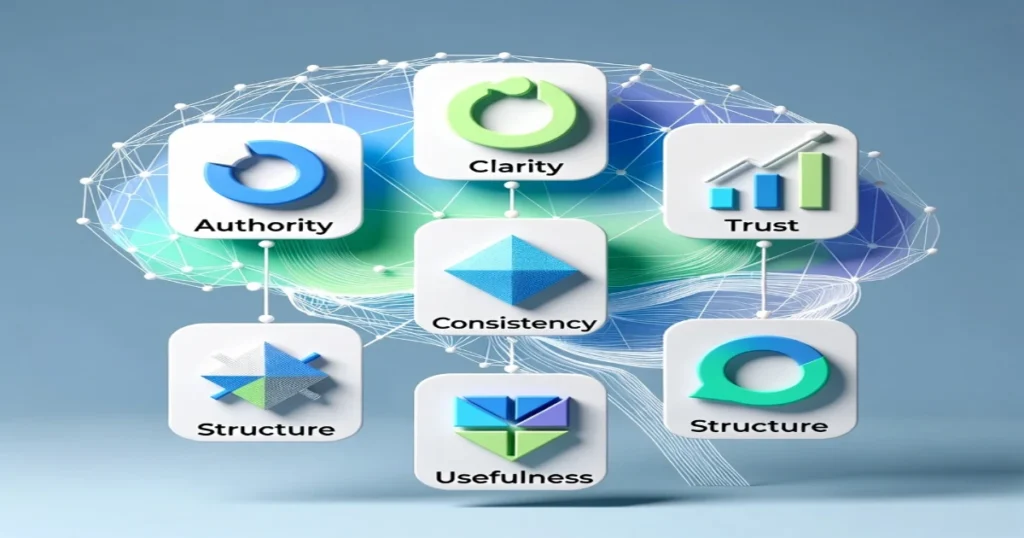
AI engines evaluate:
- Answer clarity
- Structure
- Consistency
- Trust signals
- Topical depth
They do not care how many words you wrote.
They care how confidently they can answer the user.
Pages that win:
- Start with the answer
- Expand with clarity
- Avoid fluff
- Stay factual
10. The New Content Structure That Wins in 2026
The Winning Formula
- Question-based heading
- 20–40 word direct answer
- Expanded explanation
- Examples or steps
- FAQ reinforcement
This structure works for:
- AI Overviews
- Featured snippets
- Voice assistants
- Zero-click SERPs
11. Real Example: Clinic Website Optimization
Old approach:
Long “About Us” page with history and services.
New approach:
Pages answering:
- “Do you accept walk-ins?”
- “How late are you open?”
- “Do you accept insurance?”
Result:
- Higher call volume
- AI citations
- Voice visibility
Traffic quality improves even if traffic volume stays flat.
12. Real Example: Local Service Business
Old approach:
Service descriptions and image galleries.
New approach:
Pages answering:
- Pricing questions
- Availability today
- Location-specific rules
- Turnaround time
Result:
- AI Overviews cite pricing explanations
- More qualified leads
- Less bounce traffic
13. Real Example: Professional Services
Old approach:
Blogs targeting keywords.
New approach:
Task-based guides answering:
- “How does this process work?”
- “How long does it take?”
- “What mistakes should I avoid?”
Result:
- Authority positioning
- AI trust
- Fewer but better leads
14. Why Speed, UX, and Clarity Matter More Than Ever
AI favors pages that:
- Load under 2 seconds
- Are easy to scan
- Have clean layouts
- Avoid distractions
If a page is hard for humans, it is hard for AI.
UX is no longer optional SEO — it is AI eligibility.
15. Schema Is No Longer Optional
Schema helps AI understand:
- What the page is about
- Which parts are safe to quote
- How sections relate to each other
Critical schemas:
- FAQPage
- HowTo
- Speakable
- Service
- LocalBusiness (where applicable)
Schema does not guarantee visibility — but absence guarantees invisibility.
16. The 2026-Ready Website Checklist
Before publishing any page, ask:
- Does it answer a real question?
- Can the answer stand alone?
- Is the answer near the top?
- Is language simple and direct?
- Is schema implemented?
- Can this be read aloud clearly?
If the answer is yes → AI can use it.
17. Why More Content Is Not the Solution
Publishing more blogs will not save traffic.
Optimizing existing pages will.
Most websites already have the information AI needs — it’s just buried.
The fastest wins come from:
- Rewriting intros
- Adding answer blocks
- Structuring headings
- Implementing schema
18. How to Fix Your Website Starting This Week
Start small.
- Identify top 3 customer questions
- Choose one existing page
- Add direct answers at the top
- Implement FAQ schema
- Track impressions vs clicks
This is how AEO begins.
19. What Traffic Will Look Like After Fixing This
Expect:
- Fewer low-quality clicks
- Higher intent visitors
- More calls and conversions
- Brand visibility in AI answers
Traffic becomes smarter, not larger.
20. The Final Truth About 2026 Search
Websites will not lose traffic because Google is unfair.
They will lose traffic because AI does not need them.
The future belongs to:
- Clear answers
- Structured knowledge
- Trusted explanations
- Human-first clarity with machine-friendly design
If your site becomes the best answer — AI will find you.
Final Takeaway (Featured-Snippet Ready)
Most websites will lose traffic in 2026 because search is no longer about clicks.
It is about answers.
Websites that adapt now using SEO, AEO, and SGE will remain visible — even as search evolves.
The fix is not more content.
The fix is better answers.
Enjoying our SEO & AI search insights?
Make AliSEOservices.com a Preferred Source on Google to see our SEO, AEO, local search and AI visibility insights more prominently in your Google experience.